ISO 9001:2015
Certified Co.
ISO 9001:2015
Certified Co.
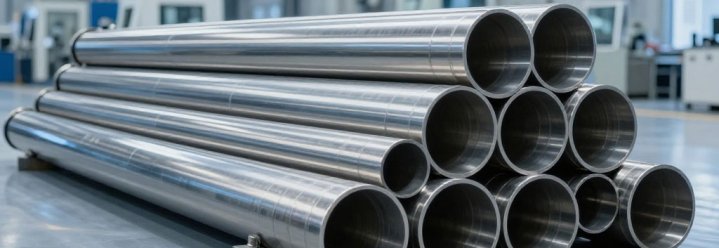
Finding the right piping supplier is harder than most people expect. You search online, get flooded with options, and suddenly everyone seems equally trustworthy. Platforms like Steel Pipe Sourcing genuinely help cut through that noise by connecting buyers with verified Pipes Manufacturers who actually hold up under scrutiny. Getting this decision right early protects everything that comes after it.
Why Material Grade Should Be Your Starting Point
Most procurement mistakes start here—with assumptions about material. People assume a supplier handles what they need without actually confirming it. Some manufacturers work exclusively in carbon steel, while others have deep expertise in stainless or duplex grades. Pin down your material requirements first, then filter your supplier list around those—not the other way around. Always request material test reports before any serious conversation even begins.
What Certifications Are Really Telling You
A certification is not just a badge. It is evidence that a manufacturer has been held to an external standard and passed. When you are evaluating vendors, look specifically for ISO 9001, PED, or ASTM compliance—these carry real weight in international markets. Stainless Steel Pipes Manufacturers need to meet very precise corrosion resistance standards that a generalist vendor simply cannot replicate. If a supplier fumbles when you ask for documentation, that tells you something important about how they operate internally.
What Separates Reliable Pipes Manufacturers From the Rest
Spend enough time in industrial procurement and patterns start to emerge. The suppliers worth keeping around consistently show up in these areas:
- Traceability: Full documentation from raw material sourcing right through to the finished product should be standard, not a special request.
- Testing Protocols: Hydrostatic, ultrasonic, and eddy current testing should happen as a matter of routine, not only when a client pushes for it.
- Production Capacity: Good manufacturers plan ahead. They carry buffer stock and manage shifting timelines without losing their footing.
- Technical Support: Someone knowledgeable should be reachable when specification questions come up—before and after the order.
- Packaging Standards: Proper export packaging is not a small detail. It determines whether your order actually arrives intact.
Why the Cheapest Quote Usually Costs More
Nobody enjoys overspending, and squeezing budgets is part of the job. But consistently picking the lowest bidder in industrial piping tends to backfire in costly ways. A single failure in an oil and gas system or a structural application can trigger shutdowns, safety incidents, and emergency replacement costs that dwarf whatever you saved upfront. Look at the full picture—factor in rejection rates, inspection overhead, and what a supplier failure does to your credibility with clients. That changes how the numbers look pretty quickly.
Why Evaluating Different Manufacturers Matters as Much
Piping projects rarely need pipes alone. When tubes are part of the scope too, sourcing them separately from unrelated vendors creates coordination problems that compound over time. Tubes Manufacturers who handle pipe specifications under the same operation keep your documentation clean and your timelines predictable. An integrated supplier is genuinely worth paying a little more for when consistency across both product types actually matters on the ground.
What a Factory Visit Actually Reveals
A sample order before any major contract is something you should never skip. It surfaces real quality issues that no product sheet will ever flag. If you can visit the facility in person, do it. Walk the floor slowly and pay attention to things that are easy to overlook—how materials are stored, whether the workspace feels organized, and how workers actually handle the inspection process when no one is formally watching. Stainless Steel Tubes Manufacturers with end-to-end production control tend to deliver more consistent results simply because fewer hands are involved between raw material and finished product.
Questions Worth Asking Before You Commit
How Tubes Manufacturers or suppliers responds to uncomfortable questions tells you more about them than any portfolio ever will. Confidence and transparency are good signs. Deflection is not. Push your shortlisted suppliers with direct, specific questions early on:
- How do you handle a rejected shipment or a non-conformance report?
- What does a realistic lead time look like for a custom specification order?
- Can you connect me with references from clients in my industry?
- Will you accommodate third-party inspection during the production run?
The Long Game — Building a Supply Relationship That Lasts
The best supplier relationships do not feel transactional after a while. They feel like a working partnership where both sides understand what good looks like and hold each other to it. That kind of reliability does not appear on a price list — it gets built through repeated honest dealings over time. Do your homework upfront, stay skeptical until trust is earned, and choose people you can actually call when something goes sideways. That is what makes a supply chain genuinely strong.