ISO 9001:2015
Certified Co.
ISO 9001:2015
Certified Co.
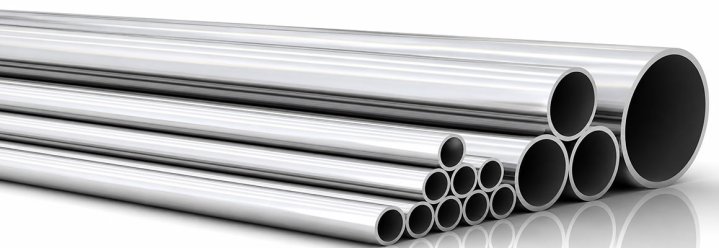
Global buyers don't forgive inconsistency the way local ones sometimes do. A batch that clears inspection in one country can flat-out fail somewhere else. Reliable Stainless Steel Pipes Tubes Manufacturers, like Steel Pipe Sourcing, have felt that pressure firsthand. They build processes flexible enough to survive different regulations, climates, and expectations. Honestly, that kind of consistency matters more than any single quoted price. Buyers remember who held quality steady, order after order.
Why Certification Standards Vary So Much Across Regions
Every country seems to grade quality by its own rulebook. What sails through inspection in one region gets flagged somewhere else entirely. Exporters need certifications that hold up well beyond their home market. That often means juggling ASTM, EN, and JIS standards on a single order. Suppliers who've figured this out rarely lose deals over paperwork snags. It sounds tedious, sure, but it's exactly what wins or loses global tenders. Get the documentation wrong once, and it can cost an entire contract.
How Logistics Quietly Shape Reputation in Distant Markets
Good material alone doesn't win international contracts, not by itself. Timing matters just as much as specs do, maybe more. One shipment stuck at customs can stall an entire overseas build. Suppliers who plan logistics early sidestep most of these predictable headaches. Buyers, frankly, remember who delivered on time far longer than who was cheapest. Reputation damaged by a missed deadline takes years to earn back. Buyers rarely forget who left them scrambling right before a launch.
Practical Traits That Define Export-Grade Reliability
Plenty of suppliers talk up their "global reach" without much behind it. Real export capability shows up in small, repeatable habits instead. Here's what usually separates the suppliers actually built for this:
- Multi-standard certification covering major global regions
- Reinforced packaging built for long-distance ocean freight
- Dedicated export documentation teams who know customs rules
- Established freight partnerships that avoid unpredictable shipping gaps
- Multilingual support for international client teams
What Sets Export-Ready Suppliers Apart From Local Ones
Not every domestic supplier can handle the jump to exporting smoothly. That transition needs infrastructure a lot of local operations never bothered building. Strong Pipes & Tubes Manufacturers invest heavily in documentation, packaging, and compliance work. That investment becomes obvious the moment orders start crossing borders regularly. Buyers notice fast when paperwork actually shows up correct the first time. That first impression, more often than not, decides what happens next.
Signs a Manufacturer Can Actually Scale Internationally
Scaling globally takes more than just cranking up production numbers. Real scalability needs systems that flex with unpredictable demand swings. Here's what to watch for when sizing up a potential partner:
- Consistent output quality across multiple production sites
- Flexible order sizes without blowing delivery timelines
- Transparent tracking through the entire shipping process
- Willingness to adjust for region-specific packaging or labeling
Why Long-Term Global Partnerships Outlast Short-Term Deals
Short-term contracts rarely build the kind of trust international buyers need. That trust develops slowly, through repeated performance across many shipments. Buyers who bounce between suppliers constantly lose institutional knowledge along the way. A supplier who remembers past specs saves everyone repeated back-and-forth clarification. Good Stainless Steel Pipes Tubes Manufacturers who invest in this rarely lose clients easily. That loyalty pays off especially when markets shift without much warning. Steady partnerships just absorb volatility better than one-off transactional deals ever do.
The Quiet Advantage of Cultural and Market Awareness
Understanding local business customs matters more than most suppliers assume. Communication norms, payment expectations, negotiation styles — they all shift by region. Suppliers who adapt to these differences tend to build smoother relationships overseas. That awareness alone prevents a lot of misunderstandings that sink otherwise solid deals. It's a soft skill, honestly, but it separates the good exporters from the great ones. Buyers notice fast when someone genuinely gets how they work.
Final Thoughts
Global markets rarely reward suppliers who treat every region identically. The steadiest exporters adjust without losing consistency in their core product. Trust earned across borders tends to hold up through market swings. Good sourcing decisions almost never make headlines, yet they quietly shape everything else. In the end, reliability just travels further than any single competitive price ever really will.