ISO 9001:2015
Certified Co.

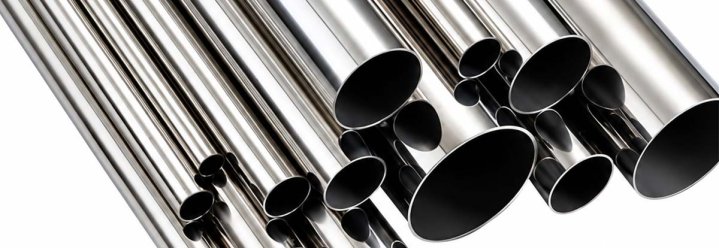
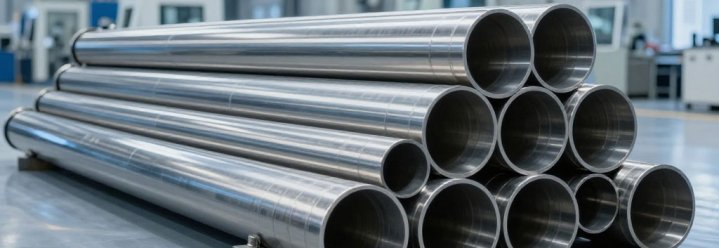
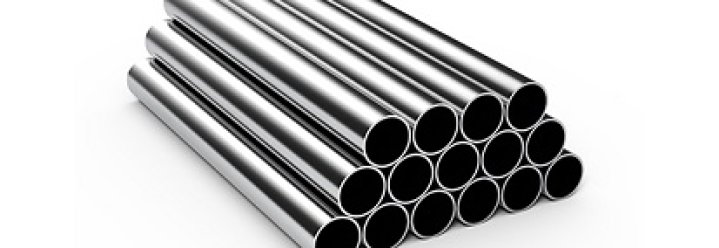
Furnaces, heat exchangers, and kilns punish ordinary piping without any mercy. Buyers weighing 310 Stainless Steel Pipe Manufacturers often turn to Steel Pipe Sourcing early. Picking wrongly means replacements, shutdowns, and some very awkward conversations. This guide covers what to check before you commit to anyone. Think of it as a calm, practical checklist for your next enquiry.
How Grade 310 Shrugs Off Brutal Heat
Grade 310 contains high chromium and nickel, which protect it at extreme temperatures. It resists oxidation in continuous service well above 1000 degrees Celsius. That makes it a favourite for furnace parts, kilns, and heat treatment equipment. Petrochemical and power plants rely on it for hot gas ducting and piping. Its austenitic structure also keeps strength stable across repeated temperature swings. Standard 304 would scale and weaken in those conditions far sooner. The trade-off is cost, so match the grade to the real temperature. Don’t pay for heat resistance your process will never need.
Paperwork Never Lies, Brochures Sometimes Do
Documents reveal more about a supplier than any polished sales pitch. Ask for them early, before any price negotiations even begin. Skipping this step is where many very expensive mistakes quietly begin. Reliable suppliers will share these without hesitation or any awkward delays:
- Mill test certificates showing chemistry and mechanical properties
- Confirmation of ASTM A312 or A358 compliance
- Heat numbers traceable to the raw material
- Hydrostatic or non-destructive test records
- Dimensional reports covering wall thickness and ovality
Anything missing from that list deserves a direct, polite question. A good supplier never takes offence at being asked for proof.
Cheap Pipe Looks Great Until the Furnace Fires Up
Price comparisons often ignore what really happens after the pipe is installed. Repeated heating and cooling stresses weak welds and thin walls quickly. Experienced 310 Stainless Steel Pipe Manufacturers control chemistry tightly to avoid early cracking. Cheap pipe may look identical on the loading dock, honestly. Thermal fatigue is a slow enemy, and it rarely gives clear warnings. Failure shows up months later, usually during a busy production run. Unplanned shutdowns cost far more than any discount ever saved. Work out the full lifecycle cost before you decide anything at all. Better material simply lasts longer under the same punishing conditions.
Ask Now or Regret It After Delivery
A short list of direct questions can save weeks of frustration. Write them down so that nothing important slips through the cracks. Specific requirements like pressure ratings should be stated in writing too. Consider asking the following questions before you confirm any purchase order:
- Which sizes and schedules do you normally keep in stock?
- Can you supply seamless and welded pipe in this grade?
- What is your usual lead time for repeat orders?
- How do you handle rejected or damaged consignments?
Straight answers now prevent painful surprises once material reaches your site. If a reply feels vague, ask again until it becomes clear.
Local Comfort or Global Choice, Which Wins?
Distance matters, but it shouldn’t be the only deciding factor. Buyers comparing Pipes Manufacturers across regions often discover wider size ranges elsewhere. Nearby suppliers offer faster delivery and easier plant visits before ordering. Distant ones may carry stronger certifications and a deeper stock. Shipping costs and customs timelines also deserve a place in the comparison. Local stock helps when a breakdown demands replacement material within days. Visit a factory if you possibly can, because it tells you plenty. Otherwise, request photographs, videos, or a recent third-party inspection report.
The Last Mile Can Ruin Everything
Even perfect pipe can be ruined by careless handling in transit. Check that pipe ends are capped, and bundles are properly secured. Marking each bundle with grade and heat number makes inspection much easier. Your receiving team will thank you when audits eventually arrive. Good packaging keeps moisture, scratches, and contamination away from the surface. Ask about welding procedures if you plan any on-site fabrication work. Grade 310 welds well, but heat input and filler choice still matter. A supplier who understands this will gladly volunteer the right advice.
Final Thoughts
Good piping decisions rarely look dramatic from the outside, but they matter. They come from patient questions, careful reading, and a little healthy suspicion. Take your time, compare honestly, and trust documented proof over promises. A sound choice today keeps your plant running smoothly for many years to come. That quiet reliability is what a real competitive edge looks like.